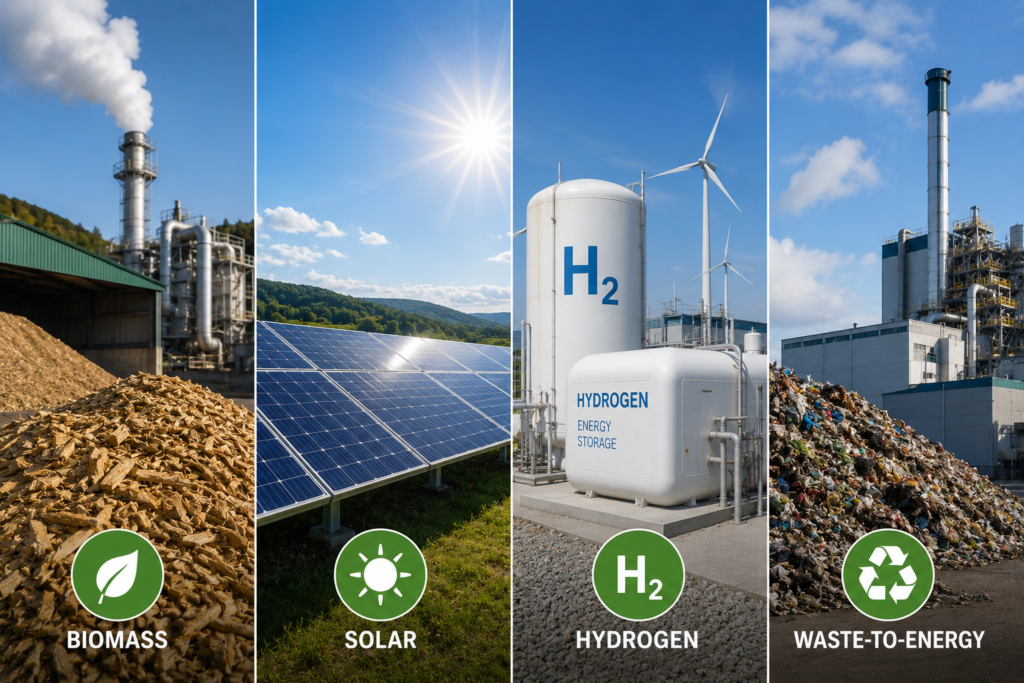
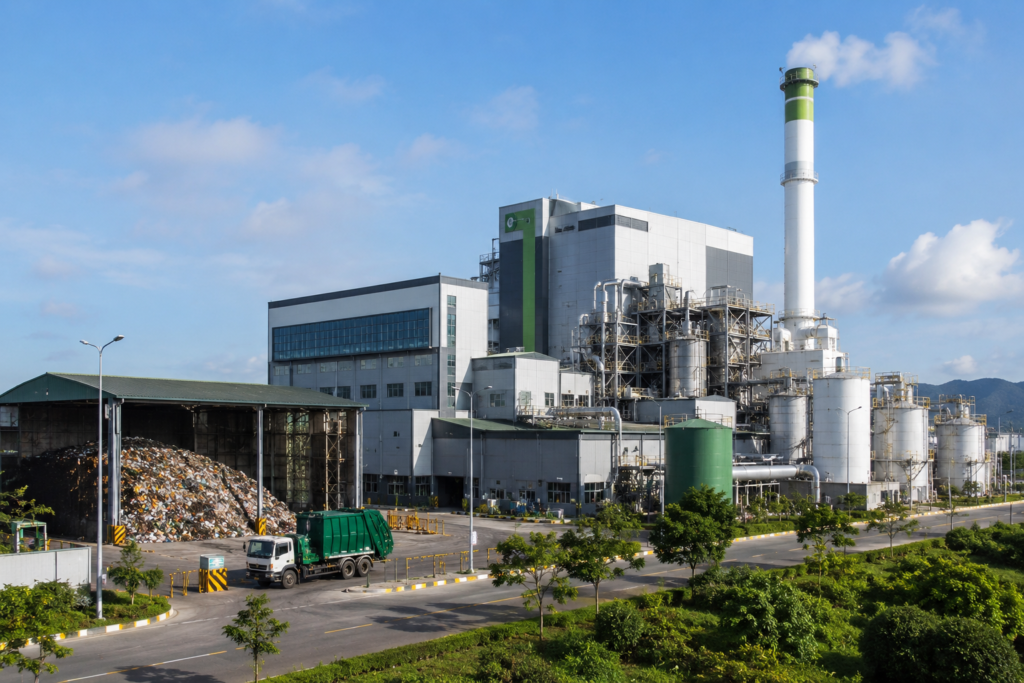
The rapid growth of urban populations has led to increasing waste generation worldwide. Traditional landfill methods are becoming unsustainable, creating environmental concerns. Waste-to-Energy (WTE) plants offer an innovative solution by converting waste materials into electricity and heat.
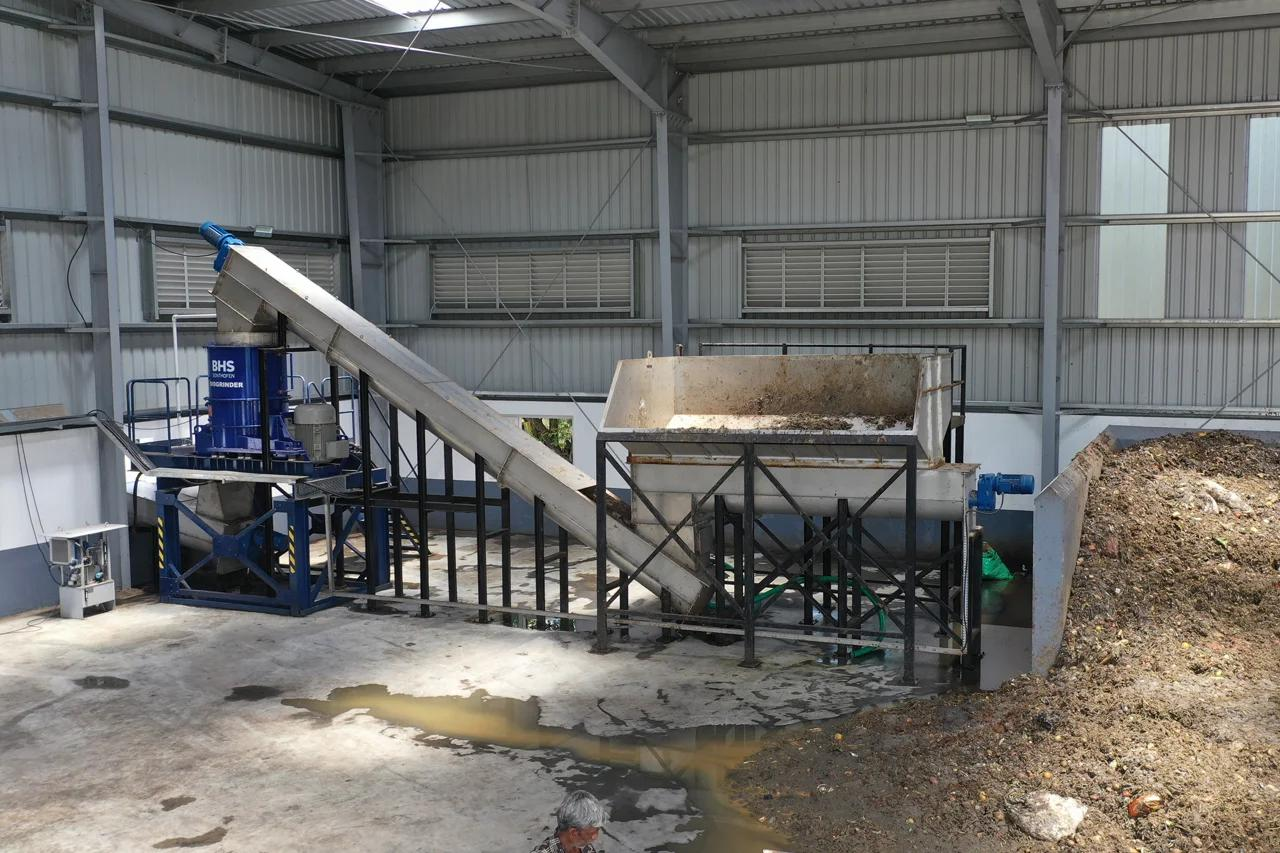
Understanding Waste-to-Energy Technology
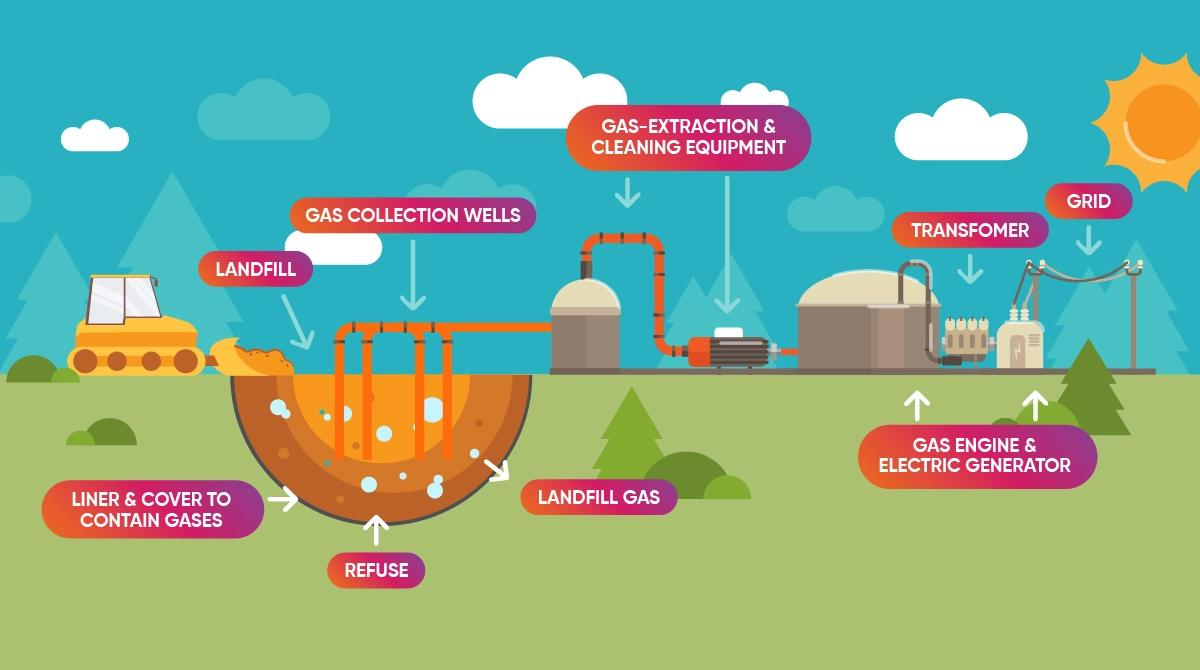
Waste-to-Energy facilities process municipal solid waste and industrial waste through advanced technologies to generate usable energy.
Common technologies include:
- Incineration
- Gasification
- Pyrolysis
- Anaerobic digestion
How Waste-to-Energy Plants Work
Waste Collection
Waste is collected from residential, commercial, and industrial sources.
Waste Segregation
Recyclable materials are separated before processing.
Energy Conversion
The remaining waste undergoes thermal or biological treatment to generate energy.
Electricity Generation
Generated heat produces steam that drives turbines and generates electricity.
Key Advantages
Reduced Landfill Dependency
Waste volume can be reduced by up to 90%.
Renewable Energy Generation
Electricity generated can support local power grids.
Environmental Protection
Reduces methane emissions from landfills.
Resource Recovery
Valuable metals and materials can be recovered during processing.
Industries Benefiting from WTE Plants
- Municipal corporations
- Industrial zones
- Smart cities
- Manufacturing industries
Challenges and Solutions
While WTE plants require significant initial investment, modern emission control technologies ensure environmentally safe operations.
Conclusion
Waste-to-Energy technology represents a practical solution for managing growing waste volumes while generating renewable power and supporting sustainable development goals.