As industries and governments worldwide seek cleaner alternatives to fossil fuels, biomass pellet systems have emerged as one of the most effective renewable energy solutions. These systems convert agricultural residues, sawdust, wood waste, and other biomass materials into high-density fuel pellets that can be used for heating, power generation, and industrial applications.
Biomass energy not only reduces dependence on coal and oil but also provides an environmentally friendly way to utilize agricultural and forestry waste.
What is a Biomass Pellet System?
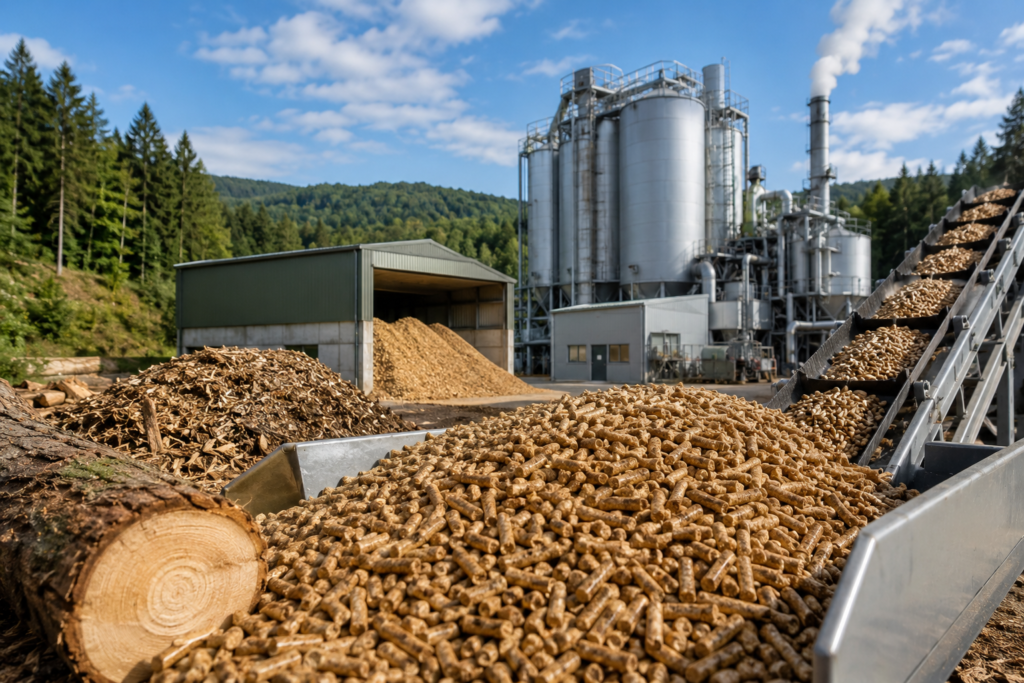
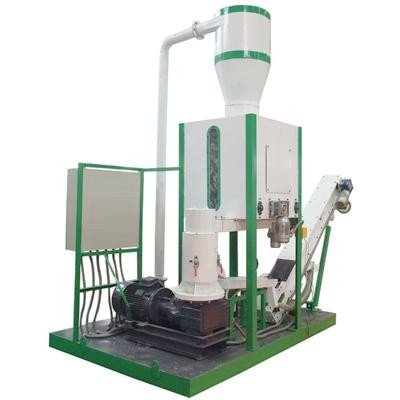
A biomass pellet system consists of several integrated components designed to process raw biomass into compact pellets.
Key components include:
- Raw material crusher
- Dryer system
- Pellet mill
- Cooling unit
- Screening machine
- Storage and packaging unit
These machines work together to produce uniform pellets with high calorific value and low moisture content.
How Biomass Pellets are Manufactured
1. Raw Material Collection
Agricultural residues such as:
- Rice husk
- Wheat straw
- Sugarcane bagasse
- Sawdust
- Wood chips
are collected and transported to the processing facility.
2. Drying Process
Moisture content is reduced to improve pellet quality.
3. Pelletization
The material is compressed under high pressure to form cylindrical pellets.
4. Cooling and Packaging
Fresh pellets are cooled and packed for transportation.
Benefits of Biomass Pellet Systems
Environmental Benefits
- Reduced greenhouse gas emissions
- Lower dependence on fossil fuels
- Effective waste management
Economic Benefits
- Lower fuel costs
- Additional income for farmers
- Reduced waste disposal expenses
Industrial Benefits
- Reliable fuel supply
- High energy density
- Consistent combustion performance
Applications
Biomass pellets are used in:
- Power plants
- Industrial boilers
- Food processing industries
- Textile industries
- Cement manufacturing
Future Market Outlook
Growing environmental regulations and rising energy costs are driving global demand for biomass pellet systems. Countries are increasingly investing in biomass infrastructure to achieve renewable energy targets.
Conclusion
Biomass pellet systems provide a sustainable, cost-effective, and environmentally friendly energy solution. Their ability to transform agricultural waste into valuable fuel makes them an important component of the future energy landscape.